

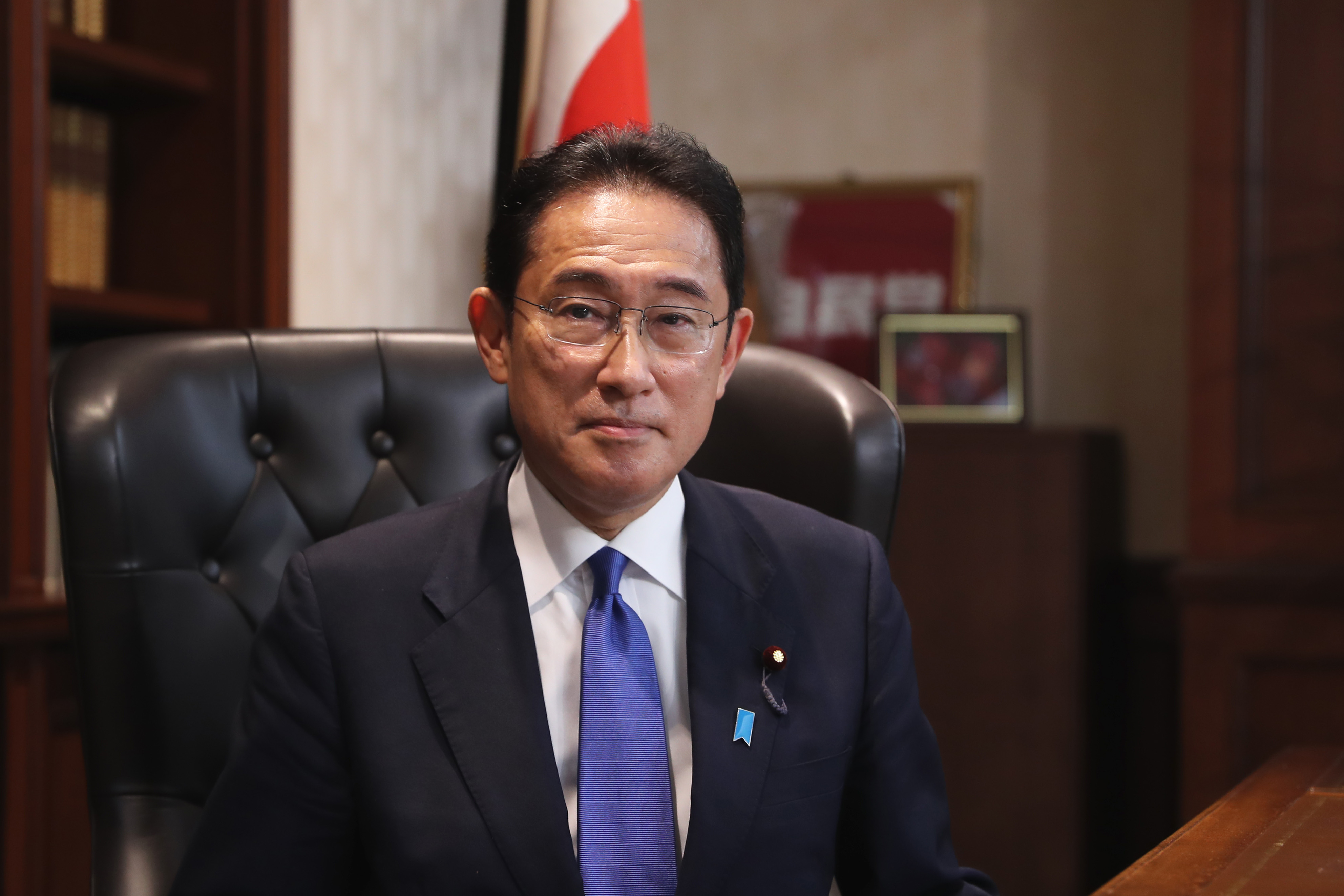
Fumio Kishida's announcement to step down as Prime Minister of Japan sparked speculation about who will replace him. As leader of the LDP, his successor will become the next Prime Minister, a position that has been held by the LDP since World War II. Candidates need 20 signatures from LDP parliamentarians to run for leadership of the party, and some potential candidates include Shigeru Ishiba, Toshimitsu Motegi, and Yoko Kamikawa. With public trust at an all-time low and the upcoming general election in 2025, experts say the LDP will have to choose a fresh face to regain public support and avoid a devastating defeat. A fierce leadership race is expected in September, with each LDP member of parliament and registered party member getting a vote. The new Prime Minister is also expected to form a new cabinet and reshuffle the LDP party executives in early October.
Fumio Kishida Resigns as Prime Minister of Japan: Speculation Mounts over Successor
Background
Fumio Kishida, the 101st Prime Minister of Japan, announced his resignation on Wednesday, September 28, 2023, after a series of scandals and low public approval ratings. Kishida had served as Prime Minister since 2021, representing the Liberal Democratic Party (LDP).
The LDP has dominated Japanese politics since the end of World War II, and the resignation of its leader typically triggers a leadership race within the party. The winner of the race automatically becomes the next Prime Minister.
Potential Candidates
According to the LDP's rules, candidates need 20 signatures from LDP parliamentarians to run for leadership of the party. Some potential candidates include:
Experts' Analysis
Experts believe that the LDP will prioritize choosing a fresh face to regain public support, which has plummeted to historic lows under Kishida's leadership. A general election is scheduled for 2025, and the LDP faces the risk of a devastating defeat if it does not rejuvenate its public image.
FAQs
1. Why did Fumio Kishida resign?
Kishida resigned due to a series of scandals involving his close associates, as well as low public approval ratings stemming from rising inflation and economic challenges.
2. Who will replace Kishida as Prime Minister?
The LDP will hold a leadership race in September to determine Kishida's successor. The winner will become the next Prime Minister.
3. What are the qualities that the LDP is looking for in a new leader?
The LDP is likely to prioritize choosing a candidate who can appeal to a wider range of voters, restore public trust, and navigate the country's economic and security challenges.
4. What is the significance of the 2025 general election?
The 2025 general election will be a crucial test for the LDP's hold on power. A poor showing could lead to a change in government for the first time in decades.
5. What does the leadership race mean for the future of Japan?
The outcome of the leadership race will have a significant impact on Japan's domestic and foreign policies, as well as its relationships with its allies and neighbors.

BR and Bar & Bench have joined forces to introduce India's pioneering Generative Artificial Intelligence (Gen AI) programme for legal professionals. Renowned economist David Deming highlights the increasing role of AI in routine lawyer tasks, making it essential for lawyers to acquire AI skills for future success. The highly in-demand skills can enhance precision, speed, and strategy for Indian lawyers, with over 25 AI tools at their disposal. With the 3rd batch starting soon, only limited seats are available for this exclusive 3-month programme, including live sessions and access to session recordings. Secure your seat now to stay ahead in the rapidly changing legal world.

Amid struggles in ratings and ad dollars, CBS News' parent corporation, Paramount Global, announced layoffs and programming changes in an effort to cut costs. The changes include the cancellation of two companion programs and the scaling back of a unit focused on race and culture coverage. The company also plans to have weekday producers take over the operations of the Saturday morning broadcast.

In response to the rising demand for air travel, India's aviation regulator DGCA is introducing revised regulations for wet-leasing of aircraft by domestic airlines. The move aims to provide better oversight and facilitate smoother functioning for carriers managing leased fleets. With airlines facing delays in aircraft deliveries due to supply chain challenges, wet-leasing has become a popular option, but the current regulations have limitations. Through consultations with stakeholders, DGCA is making changes to address these limitations and support the growth of the aviation sector.

In 2025, Bonk, Inc. underwent a major transformation, clearing its debt and establishing new, high-margin revenue streams. As a result, the company is projecting 100% year-over-year revenue growth in 2026, with contributions from its digital asset platform, BONK.fun, and profitable beverage division, Yerbaé. Bonk, Inc. also sees potential for exponential growth due to favorable legislation and a clearer regulatory framework, which could unlock institutional demand and increase transaction velocity in the digital asset sector. These factors, along with the company's planned IPO, make for a bright future for Bonk, Inc.

Silver prices on the MCX have skyrocketed for the third consecutive session, with futures hitting a lifetime high of Rs 1,94,000 per kg. The US Federal Reserve's recent rate cut and strong global cues have contributed to renewed bullishness in the market. In 2025 alone, silver has seen a remarkable increase of 122.07 per cent, indicating a strong rally for the precious metal. As for gold, it has also seen an uptick, rising to Rs 1,30,641 per 10 grams on MCX. Analysts attribute silver's surge to high industrial demand and tightening global supply conditions.

Mutual Funds are a popular form of investment and the Nippon India Large Cap Fund has just crossed the Rs 50,000-crore assets under management (AUM) mark. Despite the recent market rally and festive season, equity mutual funds have seen lower inflows, but large-cap funds have still managed to perform well. With the stability and resilience of large-cap companies and consistent returns over the long term, experts say that large-cap mutual funds are a safe choice for investors looking to grow their wealth. This fund follows the philosophy of investing over indexing, utilizing Nippon's extensive research and diversifying investments across multiple companies and sectors.

India's Light Combat Aircraft (LCA) Tejas, a 4.5-generation fighter jet designed for the Indian Air Force, is making headlines in the business world with its advanced features and impressive performance. As the smallest and lightest aircraft in its class, the Tejas utilizes composite structures for enhanced manoeuvrability and efficiency. Protocols like an in-flight refuelling probe and an open-architecture mission computer make it a versatile weapon in modern warfare. With its cutting edge technology and proven reliability, Tejas is cementing its position as a game-changing fighter jet in the aerospace industry.

In a move to make borrowing cheaper for Americans, the Federal Reserve cut its influential interest rate by a quarter point, making it the third cut this year. However, this decision comes with the risk of stoking inflation, which has yet to fall to the Fed's preferred levels. Chairman Jerome Powell stated that the decision was made due to a gradually cooling labor market, but emphasized the Fed's obligation to prevent any one-time increase in prices from turning into an ongoing inflation issue.

The Federal Reserve announced its final rate decision of 2020, cutting its key lending rate by 25 basis points in line with market expectations. The US central bank also revealed its latest outlook, indicating one rate cut in each of the upcoming years. The decision was closely watched, as policymakers weigh the need for growth support against the risk of inflation. Despite initial caution, US stocks rose after the Fed's announcement. Fed Chair Jerome Powell stated that the economy is seeing moderate growth, but inflation remains at elevated levels.

Prime Minister Narendra Modi's campaign to help Indians reclaim their unclaimed funds has brought back approximately Rs 2000 crore to its rightful owners, with efforts to reach even remote areas through facilitation camps and web portals. The campaign, launched in October 2025, has revealed that approximately Rs 78,000 crore is lying untouched in bank accounts, Rs 14,000 crore with insurance companies, Rs 3,000 crore in mutual funds, and Rs 9,000 crore in unclaimed dividends. PM Modi appeals to the public to check the portals for any unclaimed funds, which could bring significant changes to countless lives in the country.